Mount Vernon from Washington
Washington’s estate above the Potomac — reached by ordinary transit, run on timed tickets, and told, now, as the whole story: the man, the house, and the 317 people he held enslaved.
The short version
- Transit route: Metro’s Yellow Line to Huntington, then the Fairfax Connector 101 bus to the estate gate — about an hour door to door; Metro details at wmata.com.
- Timed mansion tickets (high-$20s) at mountvernon.org include the grounds, museum, and education center; the seasonal Potomac boat from the DC waterfront makes a scenic alternative arrival.
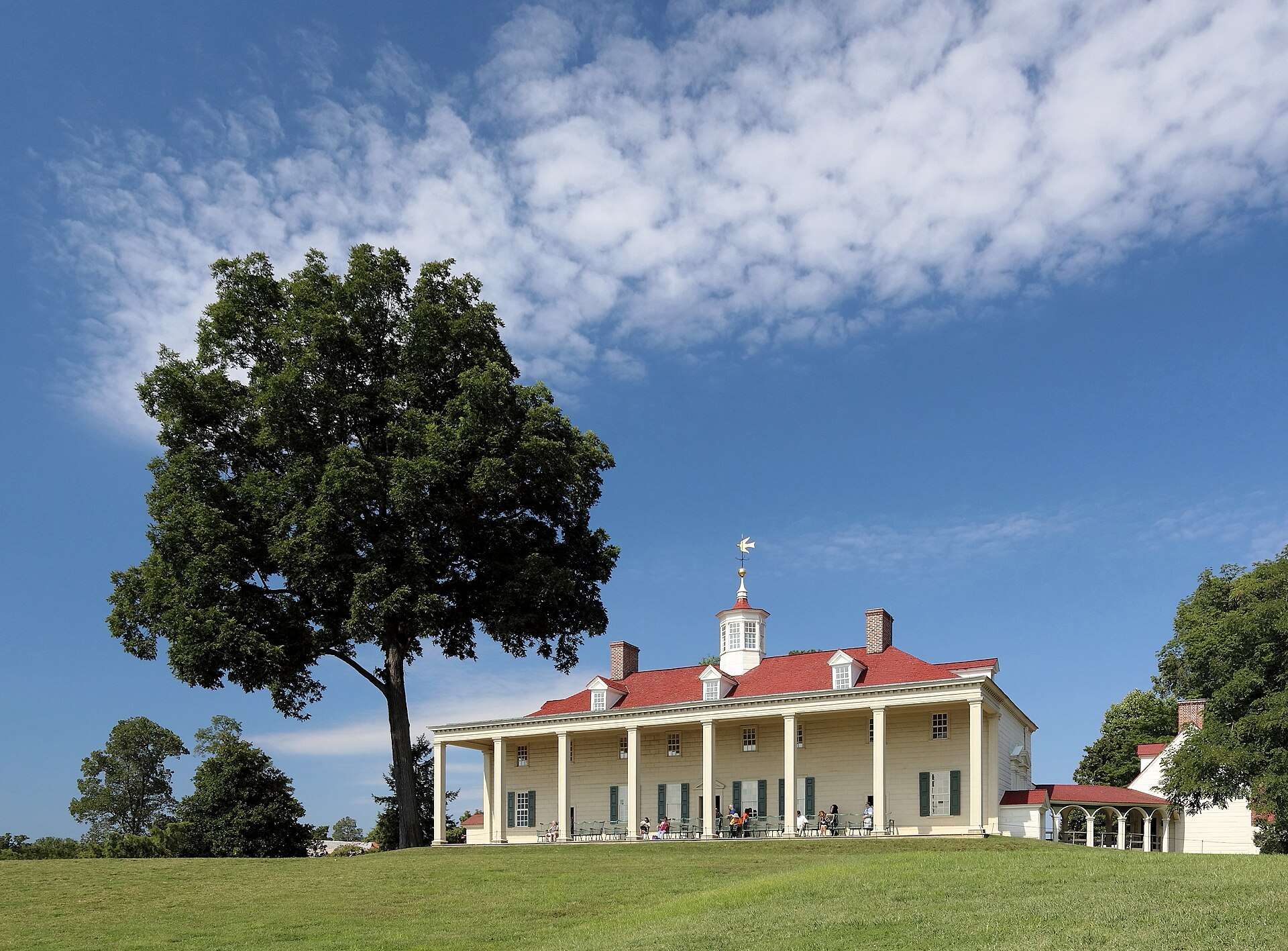
- The mansion tour moves room by room through the house Washington rebuilt twice — the study, the New Room, and the bed where he died in December 1799.
- Washington’s tomb holds the general and Martha behind its iron gate; the daily wreath ceremony is brief and steadily moving.
- The estate presents the whole story by policy: the Slave Memorial and burial ground, the reconstructed quarters, and the named lives of the 317 people enslaved here at Washington’s death — with dedicated tours in season that should be treated as core, not optional.
- The Pioneer Farm and gristmill show the working plantation; the museum’s galleries — teeth, sword, surrender resignation — fill the gaps the house tour moves too fast for.

Getting there
The no-car version works better than most expect: Yellow Line to its Huntington terminus, then the Fairfax Connector 101 winding down to the estate gate — an hour total from downtown on ordinary fares. The seasonal boat from the Wharf turns the Potomac into the approach Washington’s guests used, at cruise pricing and cruise pace. Drivers take the George Washington Parkway, itself the designed scenic route. Whichever way, arrive ahead of your mansion slot; security and the walk up take longer than they look.
The visit
Take the mansion at your timed entry and let the short tour do its work — the house is more modest and more personal than the marble Washington of the monuments. Then the grounds get the day: the piazza view over the Potomac (protected forever by easements on the far shore), the gardens, the tomb and its wreath ceremony, and — centrally — the enslaved-community sites: the memorial and burial ground down the hill, the quarters by the greenhouse, and the interpretive tour that names names and follows individual lives. The museum and education center underground close the loop with the objects and the argument. Four hours is honest; five is comfortable.
When to go
Spring and fall carry the estate’s best weather and biggest weekend crowds — the timed-ticket warning applies hardest then. Summer runs hot on the open grounds; early slots and the shaded forest trail help. Winter shortens hours but strips the view to its bones, and the house dressed for Christmas draws its own audience. The wreath ceremony and the enslaved-community tours run on daily schedules worth checking on arrival — build the visit around them, not the gift shop.
Frequently Asked Questions
How does Mount Vernon handle slavery now?
Directly, and increasingly at the center: the memorial, the burial-ground archaeology, named-lives interpretation, and dedicated tours. The estate’s own framing is that the story of the house is inseparable from the story of the people forced to run it — and the visit is better for taking that seriously.
Is the mansion tour worth the ticket alone?
The ticket buys the whole estate, which is the point — the house is twenty minutes; the grounds, tomb, farm, and museum are the day. Judged as a package, it is among the best-run historic sites in the country.
Transit, boat, or car?
Transit for cost and simplicity; the seasonal boat for the arrival Washington intended; car for schedule freedom. The 101 bus surprises people by just working.
Can I combine it with Old Town Alexandria?
Naturally — the same corridor links them, and Alexandria’s waterfront and King Street fill the evening after the estate closes. Boat out, Alexandria stop on the return is the polished version.
What should I not miss?
The piazza chairs facing the river, the tomb wreath if the timing lands, and the enslaved-community tour above all — it reframes everything else on the property, which is exactly its job.