Washington D.C. Day Tours
I’m Serious Day Tour Man AI, your day trip expert. Ask me anything — where to go, how to get there, and what’s actually worth your day.
Washington’s day trips carry the republic’s weight in both directions: the first president’s estate — which now tells the stories of the enslaved people who ran it as fully as the man who owned them — sits thirty minutes down the Potomac, and the Civil War’s turning point spreads across six thousand preserved acres ninety minutes north, visited best with a guide who passed the hardest history exam in America.
Add the sailing capital where midshipmen march to lunch, the river-gap town where John Brown lit the fuse, and a hundred-mile ridge drive that owns October. The city block covers the Smithsonian’s free-but-timed realities and the tour lead times that catch visitors months too late.
Here’s what’s worth a day, with real times and honest trade-offs.

Popular Day Trips
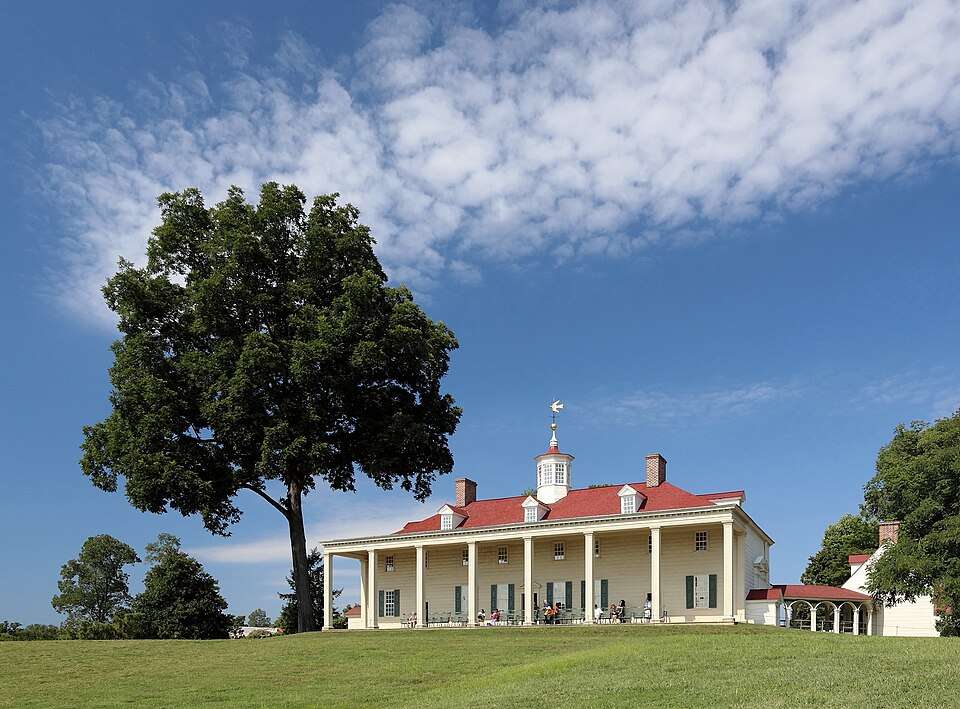
Mount Vernon
The Yellow Line and the 101 Bus, the Timed Ticket
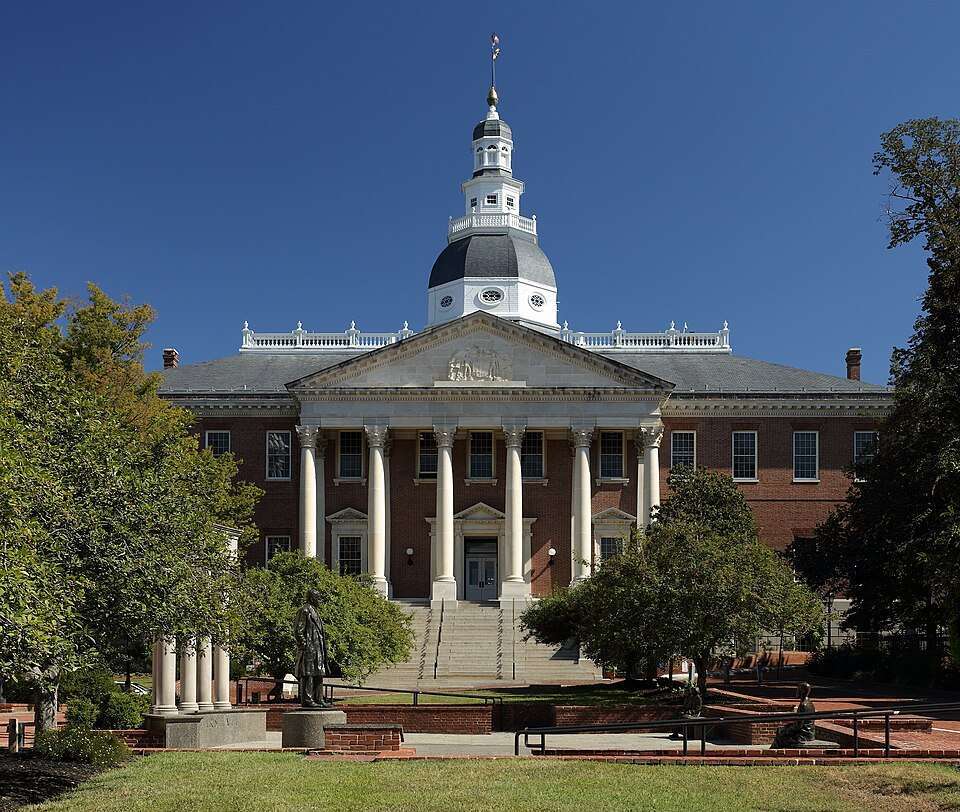
Annapolis
The Drive, the Naval Academy Gate
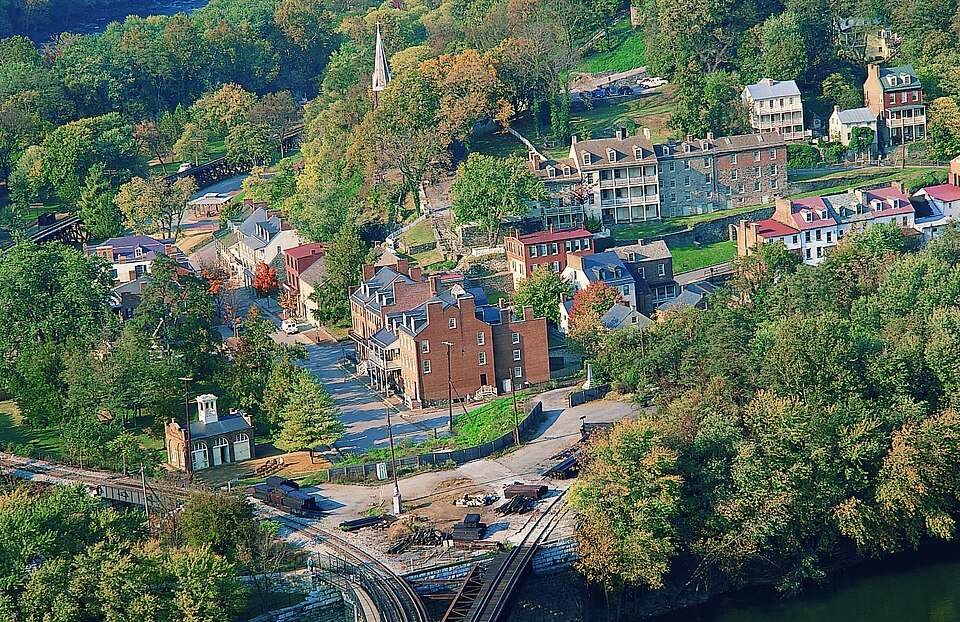
Harpers Ferry
The Weekday Train Rule, John Brown’s Fort
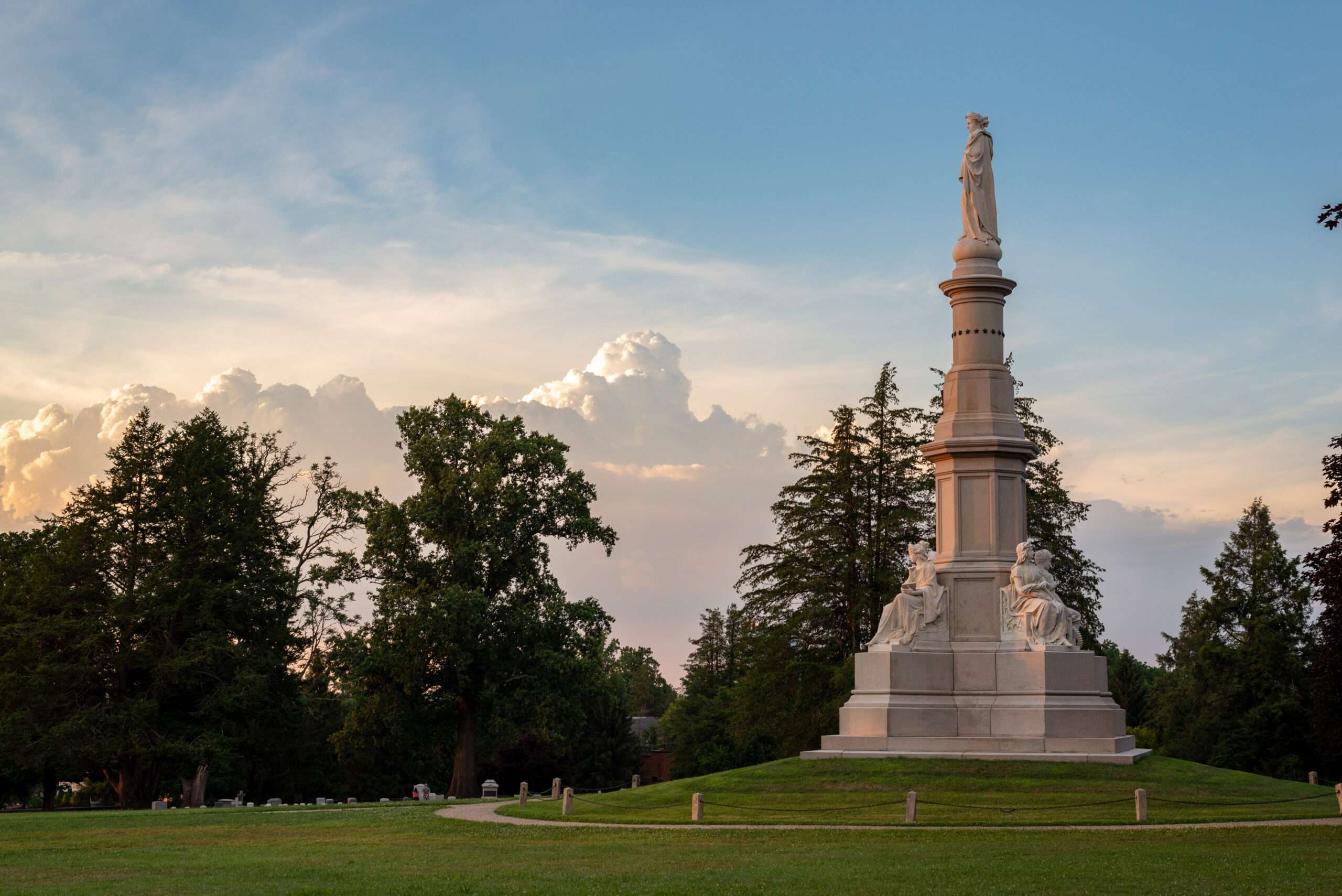
Gettysburg
The Guide in Your Car, Three Days in July

Shenandoah
Skyline Drive at 35, Stony Man’s Easy Summit
Mount Vernon — The Whole Estate, Told Whole
Thirty minutes south along the George Washington Parkway (or by Potomac boat in season, which is the arrival the estate was designed for), Mount Vernon runs the first president’s home at full scale: the mansion on its river bluff, the outbuildings working as trades demonstrations, the farm plots, and the tombs. The mechanics: buy dated tickets online ahead — mansion entry runs on timed lines that sell through on spring and holiday weekends — and budget four hours; the estate is bigger than its postcard.
The telling that matters: Mount Vernon now interprets the lives of the 317 enslaved people who lived here at Washington’s death with named specificity — the Enslaved People of Mount Vernon tours, the memorial and burying ground near the family tomb, and exhibit galleries that hold the contradiction up to the light rather than around it. Take that tour; it’s the estate’s most important hour.
The stack: the working distillery and gristmill three miles south (seasonal; Washington was, among everything else, the country’s largest whiskey producer), the Pioneer Farm’s sixteen-sided barn, and the museum’s Houdon bust — the face taken from life. The frame: gentle logistics, heavyweight content, and the bike path from DC along the river converts it into the region’s best ride-to-history day.
Read the full Mount Vernon day-trip page.
Gettysburg — Ninety Minutes, Guided Right
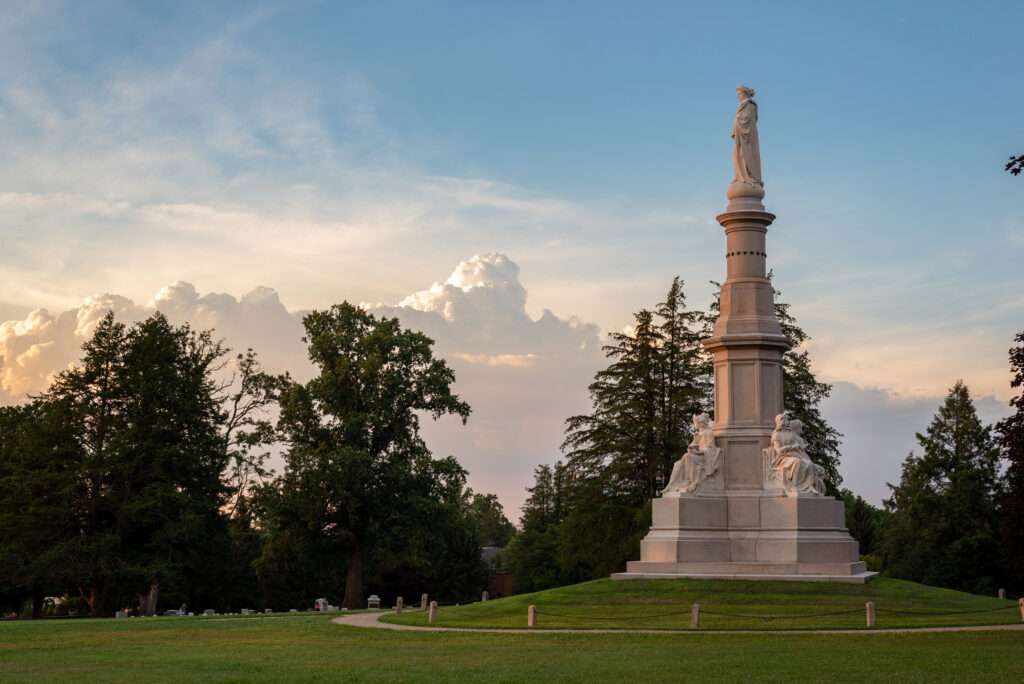
Ninety minutes north, Gettysburg National Military Park preserves the three days of July 1863 — over 51,000 killed, wounded, captured, or missing, the war’s turning point — across 6,000 acres and 1,300-plus monuments that still read as the battle lines they mark. The register is set by the ground itself: this is hallowed ground by presidential declaration, and the visit runs unhurried and informed or it wastes the drive.
The mechanics, current: the battlefield itself is free, open sunrise-edge to sunset-edge, with no entrance pass. The Museum & Visitor Center’s Film, Cyclorama & Museum Experience is the ticketed primer (the restored Cyclorama painting remains the country’s great immersive artifact), and the definitive format is a Licensed Battlefield Guide — NPS-examined historians who ride in your own vehicle for a two-hour personalized tour, priced per car, booked ahead (two weeks is the safe margin; the reservation line requires at least three days). The auto-tour and app versions serve the unguided honestly.
The essentials by any format: the first-day ridges, Little Round Top, the Angle where Pickett’s Charge broke, and the Soldiers’ National Cemetery — where Lincoln’s 272 words re-founded the country, delivered at the dedication four months after the guns. Give the cemetery its quiet. Full day; the anniversary week (early July) brings reenactment crowds, chosen deliberately.
Read the full Gettysburg day-trip page.
Annapolis — The Sailing Capital
Forty-five minutes east, Annapolis layers three towns onto one colonial street grid: the state capital (the State House’s wooden dome is the country’s oldest in continuous legislative use — Washington resigned his commission in its rotunda, which is the republic’s most underrated room), the sailing capital (Wednesday-night races fill the harbor in season, watched free from the seawall), and the Naval Academy.
The Academy mechanics: visitors enter through the gate with a REAL ID-compliant license or passport — the ID rule is absolute — for the visitor center, the chapel (John Paul Jones lies in the crypt beneath, in a sarcophagus France would envy), and Bancroft Hall’s scale; time midday right and the noon formation — the brigade marching to lunch — is the free spectacle the town sets its watch by. Guided tours from the visitor center add the substance.
The rest: Main Street’s falling run to the City Dock, the Kunta Kinte–Alex Haley Memorial at the harbor — marking the 1767 arrival the author traced, and worth its reflective minutes — cream-of-crab soup versus crab cake settled at the dock bars, and ego-watching the yachts. The frame: strollable, low-cost, and the region’s best water-town afternoon; boat-inclined visitors book a harbor sail and let the town explain itself from the water.
Read the full Annapolis day-trip page.
Harpers Ferry — The Confluence
Ninety minutes northwest, Harpers Ferry stacks improbable geography on combustible history: the town wedges into the cliff-walled meeting of the Potomac and Shenandoah where three states touch, and Jefferson called the view worth a trip across the Atlantic — his rock still delivers it in a twenty-minute climb.
The history carries the visit’s weight: John Brown’s 1859 raid on the federal armory — the failed attempt to arm an uprising against slavery that made the war unavoidable — is told across the lower town’s park buildings, the fire-house “fort” where it ended, and exhibits that handle Brown, the enslaved people whose freedom was the raid’s object, and the town’s own Black history (Storer College, the Niagara Movement’s 1906 meeting — a founding moment of the civil-rights century) with the seriousness the subjects demand. Visited as history, not backdrop.
The mechanics: the National Historical Park runs on a park-and-shuttle system from the visitor center (the lower town’s handful of spaces are a lottery not worth playing), the Appalachian Trail walks straight down the main street — thru-hikers at the psychological halfway point are part of the scenery — and the footbridge across the Potomac puts Maryland Heights’ overlook ninety minutes of climbing away for the classic town-in-the-gap photograph. Trains from DC’s Union Station reach it car-free on the right schedules.
Read the full Harpers Ferry day-trip page.
Shenandoah & Skyline Drive — The Ridge in Season
Seventy-five minutes west, Shenandoah National Park runs its single argument for 105 miles: Skyline Drive rides the Blue Ridge crest end to end, 75 overlooks alternating valley-west and piedmont-east, with the entrance fee per car covering the week. The math by season: October is the headliner — foliage peaks mid-month, weekends jam the entrance stations by 9, and the smart version enters at Thornton Gap midweek — while June’s mountain laurel and any summer evening’s blue-haze layers justify the name at a fraction of the density.
The walking sort: Stony Man and Little Stony Man deliver summit views for under an hour’s effort; Dark Hollow Falls is the family waterfall (steep back up; honest knees); and Old Rag — the park’s famous rock scramble — is a full committed day requiring its own day-use ticket in season, planned separately, not appended. Big Meadows anchors the middle: lodge food, the wayside’s blackberry milkshake tradition, and deer at dusk with the density of a petting zoo that isn’t one.
Three rules apply: fuel up before entering (the drive sells little), the 35-mph limit is both enforced and correct (the deer vote with their bodies), and fog on the ridge is a real driving condition — check conditions before committing the day. The frame: this is the exhale day, sized by how many overlooks you can stop resisting.
Read the full Shenandoah day-trip page.
The Smithsonian Rules, the Lead Times & Washington Itself
The free-but-timed truth: the Smithsonian’s museums charge nothing, but the popular ones meter entry — the National Museum of African American History and Culture requires free timed passes (released in advance and gone fast for weekends; weekday walk-up windows exist and shift — check current rules), and Air and Space runs the same system since its renovation. Book the passes the way you’d book tickets, because functionally they are.
The lead-time truth: White House tours route through your member of Congress weeks-to-months ahead (non-US visitors via embassies); the Capitol books online with shorter notice; the Washington Monument’s elevator runs on same-day-plus-advance timed tickets that vanish at release. The zero-notice alternatives are the best ones anyway: the monuments at night (Lincoln after 9 p.m. is the city’s most honest hour), the National Gallery, and the Mall itself.
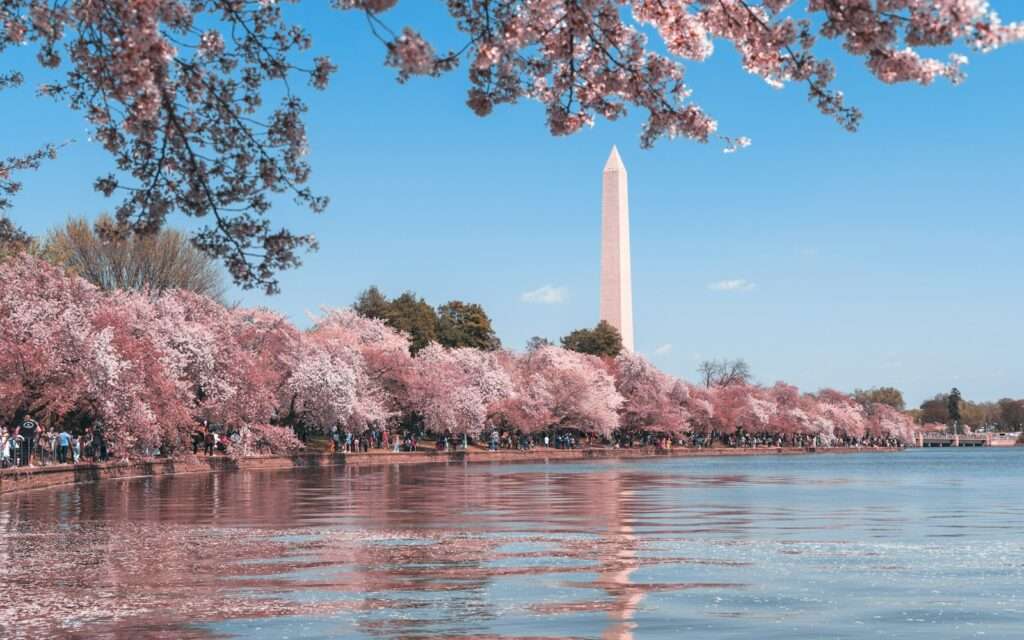
The living city: Eastern Market’s weekend sprawl, the wharf’s fish market (the country’s oldest continuously operating), Ben’s Chili Bowl as institution and half-smoke initiation, and Rock Creek Park as the city’s improbable forest. Season math: cherry blossoms run late March–early April on the trees’ schedule, not yours — the bloom forecast is a civic obsession, Tidal Basin sunrise beats every midday hour, and hotel prices bloom with them; summer is swamp-honest (museums at midday, monuments at night); and fall runs the city at its best while Shenandoah burns gold ninety minutes west.
Frequently Asked Questions
Do you need tickets for Gettysburg?
The battlefield is free, sunrise to sunset, no pass required. The film-Cyclorama-museum package is ticketed, and the best format — a Licensed Battlefield Guide riding in your car for two hours, priced per vehicle — books ahead: two weeks safely, three days minimum by phone.
How does Mount Vernon handle slavery?
Directly — the estate interprets the lives of the 317 people enslaved there with named specificity: dedicated tours, the memorial and burying ground, and galleries that hold the contradiction openly. The Enslaved People tour is the visit’s most important hour; book dated tickets ahead.
What ID do you need for the Naval Academy?
A REAL ID-compliant license or a passport at the gate — no exceptions. Time the visit for the noon formation, see the chapel and John Paul Jones’s crypt, and let the seawall’s Wednesday races finish the day in season.
How do NMAAHC passes work?
Free but timed — passes release in advance and disappear fastest for weekends; weekday walk-up windows exist and change, so check current rules. Treat all the metered Smithsonians like ticketed museums that happen to cost nothing.
When do the cherry blossoms peak?
Typically late March into early April, on the weather’s schedule — follow the official bloom forecast, go at Tidal Basin sunrise, and book rooms early; the city prices the bloom like the event it is.